
By Erin Green
Mobile imaging units play a crucial role in delivering health care services to diverse communities, offering diagnostic capabilities directly to patients’ locations. While these units enhance accessibility and convenience, ensuring patient safety, particularly during medical emergencies, is paramount. Some essential steps we take to protect our patients on mobile units are:
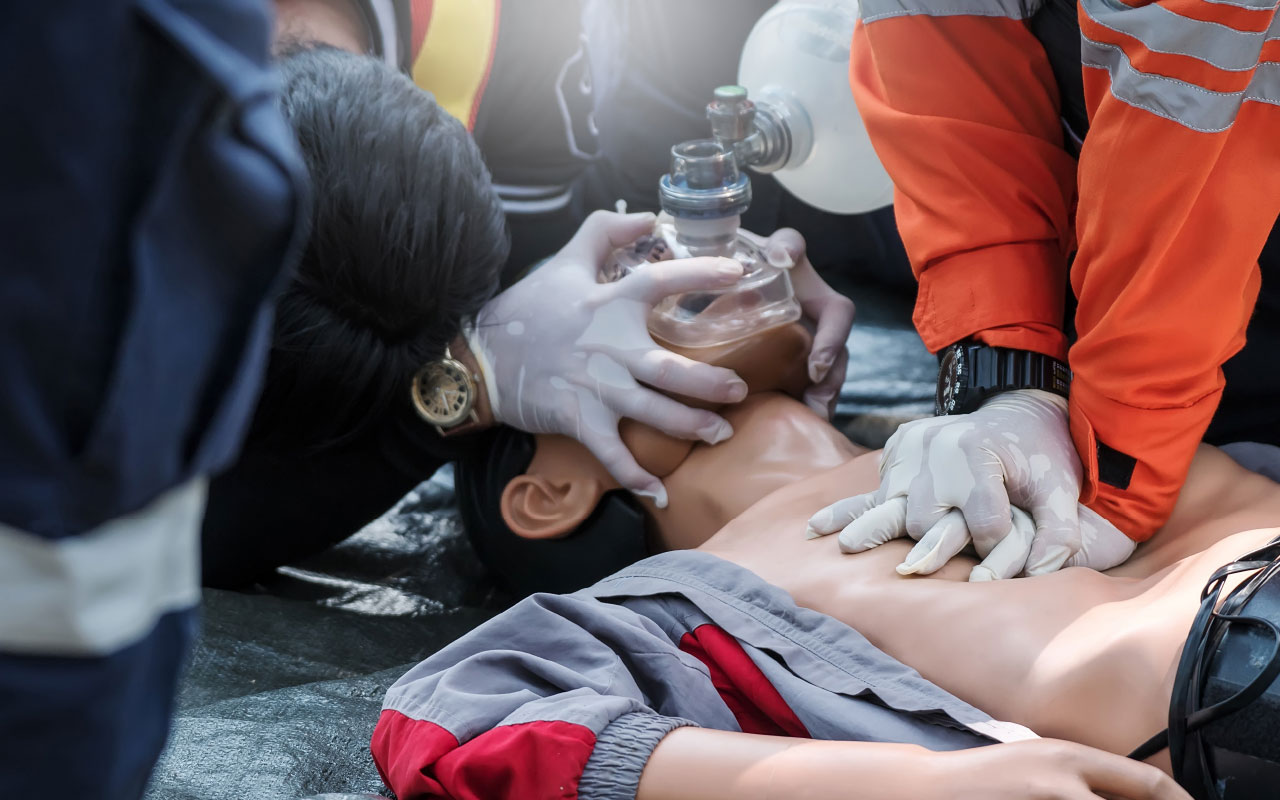
Emergency Preparedness Training: Our mobile imaging health care personnel undergo comprehensive training in emergency response protocols. This includes CPR, basic life support), and first aid techniques tailored to the unique environment of a mobile unit. Regular drills and simulations can help reinforce skills and ensure readiness to handle various medical emergencies effectively.
Mobile Compatible Transfer Devices: Space is limited on mobile units. We make certain that each unit is outfitted with transfer devices that work within specific environments, to include easy access and storage.
Communication Systems: Each unit is supplied with Internet and telephones. We work with our radiology informatics team to assign each mobile a municipality specific log-in code for the phone system for sites that do not have an emergency room. This will allow 911 calls to route appropriately. Each unit is stocked with back-up data cables to minimize disruption to Internet connectivity.
Clear Emergency Response Protocols: Our mobile imaging units have clear and standardized protocols for responding to medical emergencies. These protocols outline roles and responsibilities, steps for assessing the situation, activating emergency medical services, and how to aid patients while awaiting further assistance. “Mock Codes” are performed annually at each location, on each unit. These “mocks” involve collaboration with site response teams and emergency rooms. They also allow hospital personnel to acclimate to the mobile’s location at the facility.
Post-Emergency Debriefing and Quality Improvement: After any medical emergency on a mobile imaging unit, conducting a thorough debriefing session is essential to review the response, identify areas of opportunity, and implement corrective actions. This process promotes a culture of continuous learning and quality improvement, ensuring that lessons learned from each incident are applied to enhance future emergency preparedness and patient safety.
By implementing these proactive measures, mobile imaging units can effectively safeguard patients who experience medical emergencies, providing reassurance to patients and health care providers. Prioritizing preparedness, communication, collaboration and continuous improvement is essential for ensuring the highest standards of patient care on mobile imaging units.
– Erin Greene, RT(R)(CT), is the radiology mobile imaging fleet supervisor with UH.
Share your RAD IDEA via an email to editor@mdpublishing.com.