

Staff report
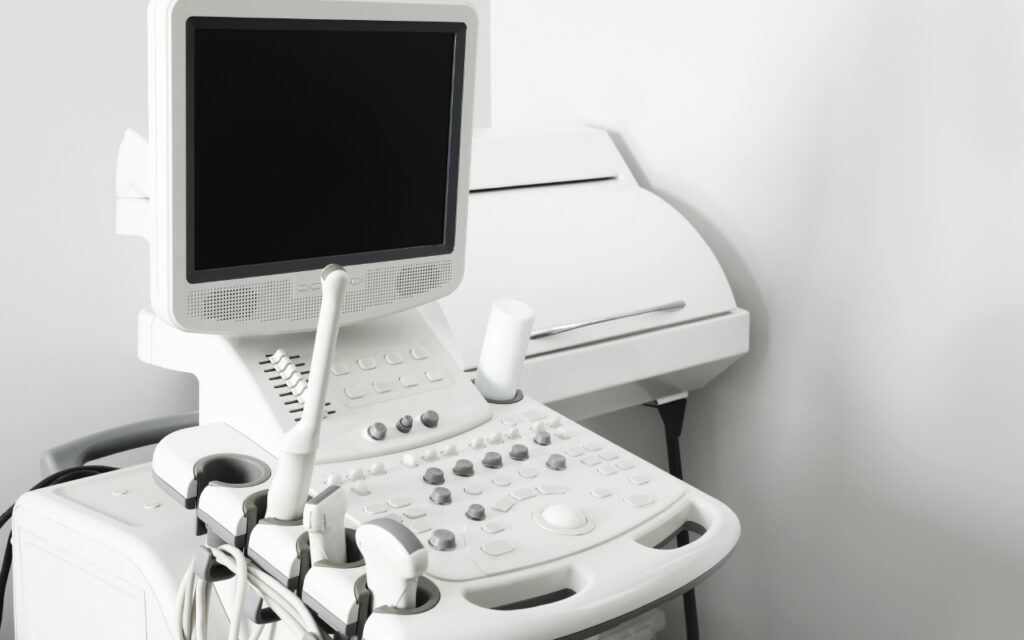
The medical imaging equipment disposition market continues to expand as healthcare providers look to maximize the value of aging assets, manage capital expenditures and meet sustainability goals. The sector, which encompasses the resale, refurbishment, redeployment and recycling of diagnostic imaging systems such as MRI, CT, ultrasound and X-ray equipment, is benefiting from growing demand for cost-effective alternatives to new equipment.
According to market research firm PMR Market Research, the global used medical imaging equipment market was valued at approximately $6.43 billion in 2025 and is projected to reach $11.13 billion by 2032, representing a compound annual growth rate of 8.2%. PMR Market Research reported that hospitals accounted for nearly half of market demand, with North America representing the largest region within the global market.
Industry analysts said rising healthcare costs remain one of the strongest drivers behind the disposition and refurbishment sector. Data Insights Market reported that healthcare providers increasingly view refurbished imaging systems as a practical solution for expanding diagnostic capabilities without incurring the full cost of new equipment purchases. The firm noted that demand is particularly strong in emerging markets, where healthcare organizations face budget constraints but still require advanced imaging technology.
The growing replacement cycle for diagnostic imaging equipment is creating a steady supply of assets entering the secondary market. According to Data Insights Market, continuous technological advancements in imaging systems are accelerating equipment turnover, generating more opportunities for refurbishment companies and asset disposition specialists. The research firm said equipment categories such as X-ray and ultrasound systems represent a significant portion of the market because of their widespread adoption and relatively shorter replacement cycles.
Market participants also point to sustainability initiatives as a major catalyst for growth. Verified Market Reports said healthcare organizations are increasingly incorporating environmental considerations into procurement decisions. Rather than sending equipment to scrap, providers are pursuing resale, refurbishment and redeployment strategies that extend product life cycles and reduce electronic waste.
Cost savings remain a central factor influencing buyer behavior. PMR Market Research reported that refurbished medical equipment can provide healthcare facilities with substantial capital savings compared with purchasing new systems. In a separate analysis, PMR Market Research found that refurbished systems often sell for 40% to 60% less than comparable new equipment, making them attractive to hospitals, outpatient centers and specialty clinics.
Regional activity continues to be concentrated in North America and Europe, although emerging economies are becoming increasingly important. Data Insights Market reported that North America and Europe maintain strong market positions because of their large installed base of imaging equipment, established healthcare infrastructure and regulatory frameworks that support refurbishment activities. At the same time, the firm said demand is accelerating across parts of Asia-Pacific and Latin America as healthcare access expands.
Competitive dynamics within the market are evolving as original equipment manufacturers and independent refurbishers compete for market share. According to Data Insights Market, major manufacturers including GE Healthcare, Philips Healthcare and Siemens Healthineers remain active participants in the refurbished equipment segment. The research firm said independent refurbishment companies also play a significant role, particularly in niche equipment categories and regional markets.
Looking ahead, market forecasts remain positive. Technavio reported that the refurbished medical imaging equipment market is expected to grow at an annual rate of approximately 8.5% during the forecast period. Analysts cited increasing demand for affordable healthcare solutions, continued growth in diagnostic imaging utilization and improvements in refurbishment technology as factors supporting long-term expansion.
As healthcare providers continue balancing financial constraints with growing demand for diagnostic services, the medical imaging equipment disposition market appears positioned for sustained growth. Industry researchers generally agree that asset recovery, refurbishment and resale strategies will remain essential tools for organizations seeking to optimize equipment investments while supporting operational and environmental objectives.