
By Nicole Dhanraj
Our leadership within imaging plays a crucial role in building innovative, inclusive and high-performing teams.
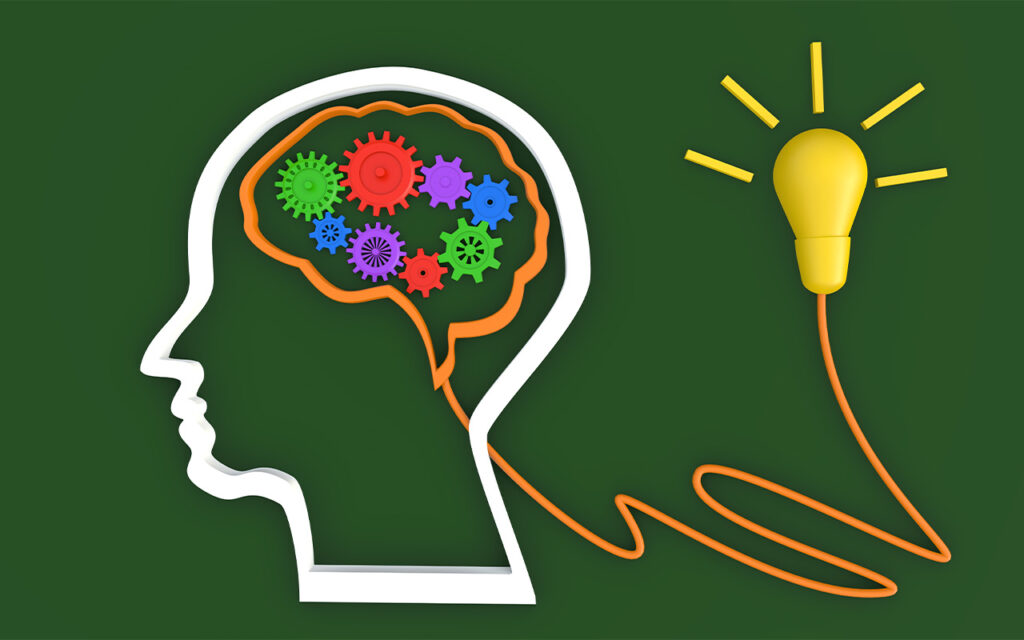
One often overlooked area of talent acquisition is neurodiversity in radiology – hiring individuals with diverse neurological profiles, including autism, ADHD, dyslexia and other conditions.
Embracing neurodiversity goes beyond inclusivity – it’s about unlocking unique talents that drive innovation and enhance team dynamics.
Why Neurodiversity Matters in Radiology
Neurodiversity in healthcare is gaining attention due to its potential to improve team performance and innovation.
Radiology demands precision, technical proficiency and adaptability – traits often associated with neurodiverse individuals. For example, a 2019 Nature Communications study found that individuals on the autism spectrum excel in identifying anomalies in visual data, making them highly effective in detecting subtle irregularities in imaging equipment performance and quality assurance tasks (Pellicano et al., 2019).
Similarly, research from the Journal of Attention Disorders reveals that individuals with ADHD often thrive in dynamic, fast-paced environments due to their creative problem-solving skills (Kasper et al., 2017). Dyslexic professionals, according to the British Dyslexia Association, frequently exhibit advanced three-dimensional visualization abilities, crucial for tasks related to our profession (British Dyslexia Association).
By recognizing and harnessing these strengths, radiology departments can increase innovation, enhance patient care and create a more inclusive workplace.
Here’s how different neurodiverse strengths align with radiological tasks specific to imaging technologists:
- Autism: Exceptional attention to detail and pattern recognition. Imaging technologists with autism may excel in performing quality control checks, ensuring imaging protocols are consistently followed and troubleshooting equipment malfunctions.
- ADHD: High energy, creativity and ability to adapt in fast-paced environments. ADHD strengths can be invaluable when managing multiple imaging procedures in busy settings, ensuring timely patient flow while adhering to safety protocols.
- Dyslexia: Strong spatial reasoning. Dyslexic imaging technologists often excel in operating advanced imaging equipment, such MRI and CT.
Creating an environment that values these abilities can lead to improved team performance, more innovative solutions and better patient outcomes.
Embracing neurodiversity within imaging is not just a step toward inclusivity but a strategic advantage that drives innovation and enhances team dynamics.
By recognizing and leveraging the unique strengths of individuals with diverse neurological profiles, radiology departments can foster a workplace that excels in precision, adaptability and creativity.
References
British Dyslexia Association. (n.d.). Dyslexia and spatial reasoning. Retrieved from https://www.bdadyslexia.org.uk/
Kasper, L. J., Alderson, R. M., & Hudec, K. L. (2017). Creativity and attention-deficit/hyperactivity disorder (ADHD): A review of conceptual and methodological issues. Journal of Attention Disorders, 21(4), 263-275. https://journals.sagepub.com/doi/pdf/10.1177/1087054717727352
Pellicano, E., Smith, A. D., Cristino, F., & Hood, B. M. (2019). Visual processing strengths in autism spectrum disorder. Nature Communications, 10, 35494. https://www.nature.com/articles/srep35494