

Sponsored by RSTI
The imaging service industry has never stood still. What began as a highly specialized field focused on maintaining individual systems has evolved into a complex, interconnected discipline that touches nearly every corner of healthcare.
In the early days, imaging service was largely mechanical and modality specific. X-ray systems were simpler, analog and often standalone. Service professionals focused on keeping equipment operational, troubleshooting components and ensuring uptime. Success was measured by whether the system worked.
Today, that process feels incomplete.
Modern imaging environments are digital, networked and deeply integrated into clinical workflows. Modalities like CT, MRI and advanced interventional systems are no longer isolated pieces of equipment. They are part of a broader ecosystem that includes PACS, DICOM, hospital networks, cybersecurity protocols and regulatory requirements.
The shift from analog to digital imaging marked one of the most significant turning points in the industry. As images moved from film to data, service professionals were required to expand their skill sets beyond hardware. Understanding how images are acquired is no longer enough. Today’s imaging professionals must also understand how those images are processed, transmitted, stored and secured.
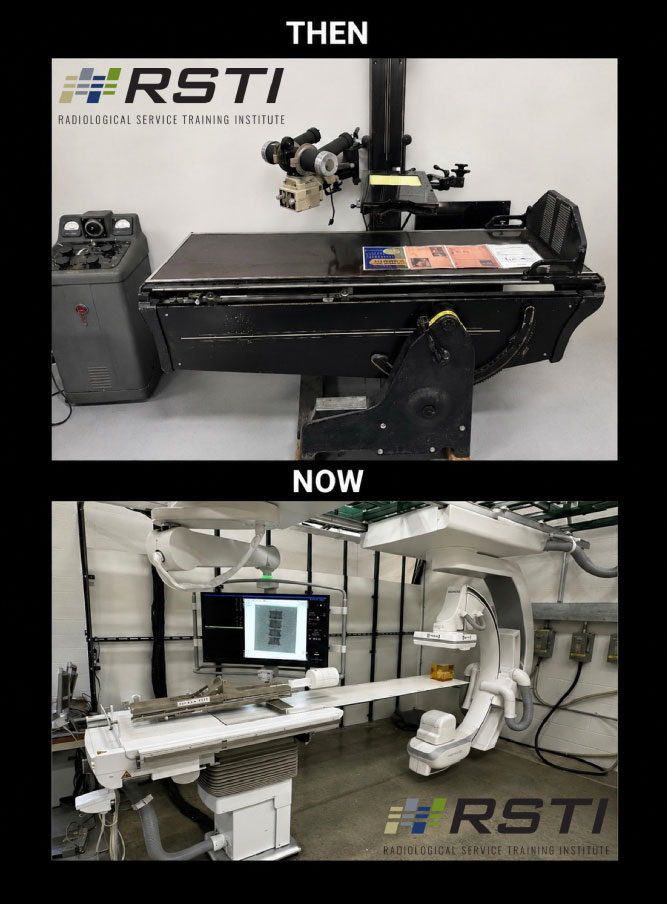
This evolution has introduced a new level of complexity. Imaging service now requires collaboration across multiple departments including IT, clinical engineering, radiology, compliance and cybersecurity. Each group brings its own priorities and language. Bridging those gaps has become a critical part of the role.
Learning to “speak the same language” is no longer optional. A service professional may troubleshoot an image quality issue that is not rooted in the system itself, but in network latency, DICOM configuration or data routing within PACS. Cybersecurity concerns such as ransomware attacks and network vulnerabilities can directly impact imaging system functionality and patient care.
Regulatory requirements have expanded alongside this complexity. HIPAA compliance, data privacy and system security are now part of the daily landscape. Imaging systems are no longer just clinical tools. They are data endpoints that must be protected.
At the same time, the industry is facing another significant challenge: the loss of experienced professionals. Many of the individuals who helped build the foundation of imaging service are reaching retirement. Their knowledge, often gained through decades of hands-on experience, is not easily replaced.
This creates both a gap and an opportunity.
For those entering the field, the pathway into imaging service looks different than it did in the past. The role demands a broader understanding of technology, but it also offers a more dynamic and impactful career. Imaging service professionals are not just maintaining equipment. They are supporting the systems that clinicians rely on to diagnose, treat and save lives.
This shift has increased the importance of structured training and continuous learning. Hands-on experience remains critical, but it must now be paired with an understanding of multi-vendor environments, digital communication standards and system integration.
As the industry continues to evolve, so does the responsibility of those supporting it. Radiological Service Training Institute (RSTI) has remained focused on staying ahead of that curve by continuously investing in current technology, expanding system availability and building relevant training content that reflects the imaging systems being serviced in the field today. The goal is not only to teach foundational concepts, but to prepare professionals for the environments they will actually encounter.
That commitment is reflected not just in infrastructure, but in people. RSTI is proud to celebrate a recent individual achievement that represents the strength of the entire team. As Todd Boyland, president of RSTI, noted, his recognition as “Educator of the Year” through the TechNation Tech Choice Awards is not just a personal honor, but a win for the RSTI team. It reinforces the shared commitment to education, mentorship and advancing the next generation of imaging service professionals.
The demand for skilled professionals continues to grow, yet awareness of the field remains limited. Many talented individuals in healthcare technology management and related disciplines may not fully realize the opportunities available within imaging service.
Encouraging the next generation to explore this path is essential.
This starts with exposure. It starts with conversations that highlight the impact of the work, the evolution of the technology and the need for individuals who are willing to grow with it. It also requires collaboration across organizations, educators and industry leaders to create clear pathways into the field.
Imaging service is no longer defined by a single modality or skill set. It is defined by adaptability, cross-functional knowledge and a commitment to keeping healthcare systems running at their highest level.
The industry has evolved. The expectations have changed. And the opportunity has never been greater.
For those willing to take the next step, there is a place in imaging service. •
For more info, visit rsti-training.com.