

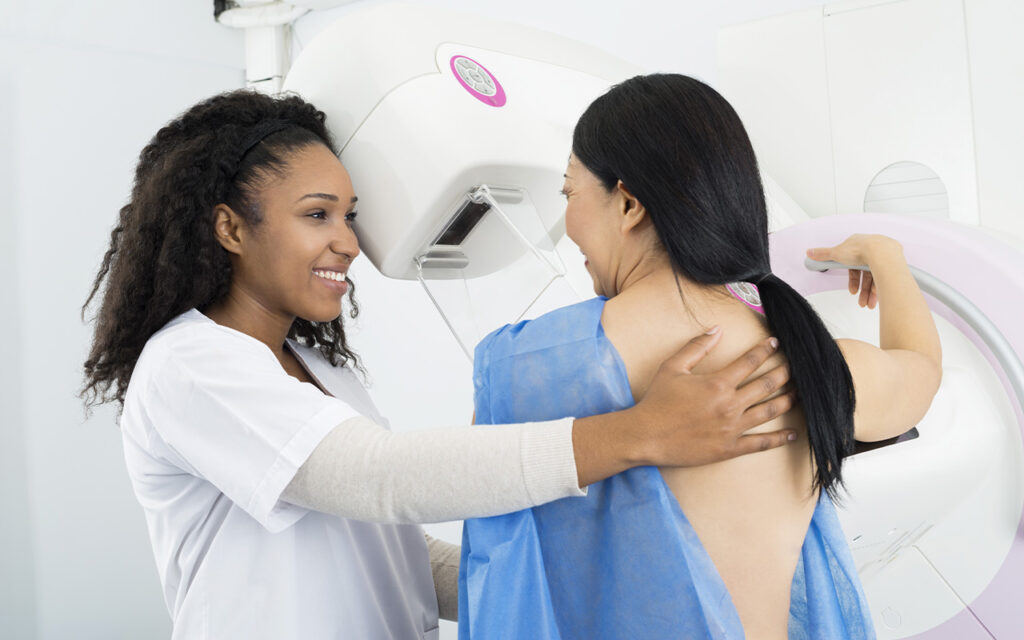
IMV Medical Information Division, a part of Science and Medicine Group, released its 2025 Mammography and Breast Imaging Market Outlook Report, providing in-depth insights into the current and future state of the U.S. breast imaging market.
Based on an IMV-hosted online survey conducted from January to March 2025 with over 200 mammography professionals from U.S. hospitals and imaging centers, this in-depth report explores key trends and priorities in mammography and breast imaging, from procedure volume to equipment planning and technology adoption.
“The results of IMV’s survey indicate that 78% of respondents anticipate an increase in mammography procedures in 2025 compared to 2024,” said Davin Korstjens, Director of Market Intelligence (Diagnostic Imaging) Insights. “This trend aligns with projections for new cases of invasive breast cancer and ductal carcinoma in situ, reinforcing the need for expanded imaging services and upgraded equipment.”
Key Insights from the 2025 Report:
- Mammography procedure volumes are expected to rise by high single-digit percentages year-over-year.
- Over 60% of procedures are diagnostic; more than one-third are for screening.
- Hologic remains the most considered OEM, followed by GE and Siemens.
- Patient satisfaction is ranked as the top departmental priority.
Two reports from Grand View Research also predict growth in the “global breast imaging market” and in the related “global women’s health diagnostics market.”
Grand View Research reports that the global breast imaging market size was estimated at $4.7 billion in 2022 and is projected to reach $9.0 billion by 2030, growing at a CAGR of 8.6% from 2023 to 2030.
“Factors such as the rising prevalence of breast cancer, technological breakthroughs in the domain of breast imaging, and investment from several organizations in breast cancer screening programs drive the market,” according to the report.
In terms of region, North America was the largest revenue generating market in 2022. Asia-Pacific is expected to experience the fastest rate of growth in the global market over the forecast period.
The ionizing technology segment held the largest market share of around 63.2% in 2022 and is anticipated to witness the fastest growth over the forecast period, according to Grand View Research.
“The segment will expand in the upcoming years as a result of the introduction of new ionizing technology-based breast imaging technologies,” the report states. “Additionally, advancements in currently available ionization-based technologies are likely to receive significant funding, contributing to the market’s expansion over the forecast period. Moreover, the majority of market participants’ ongoing commitment to raising the number of technology expenditures made in order to offer superior products in the market.”
Furthermore, due to numerous efforts made for breast cancer early detection, the mammography segment of the global breast imaging market is expanding, the report adds.
“The United States Preventive Services Task Force, for instance, has created standards for mammography screening. A cross-sectional study on the most accurate techniques for breast cancer diagnosis was conducted and published in the journal Clinics in July 2020 under the title ‘Evaluation of the accuracy of mammography, ultrasound, and magnetic resonance imaging in suspect breast lesions.’ According to the study, mammography provided a more accurate assessment of worrisome breast masses. The procedure is the most preferred way to diagnose breast cancer because of its accuracy. These benefits contribute to the mammography segment of the breast imaging market growth. “
Grand View Research also reports that several significant market companies are concentrating on mammography for breast cancer diagnosis.
The use of artificial intelligence in breast cancer screening might assist to lessen the workload of healthcare personnel, the report adds. Such advancements in mammography for breast imaging are expected to contribute to the growth of the breast imaging market over the forecast period. Furthermore, various advances in the area have reduced over-diagnosis and improved sensitivity to identify tiny carcinomas. These constant improvements in this sector are anticipated to boost segment growth.