

Sponsored by Advanced Ultrasound Systems
By Jim Rickner
In my day-to-day duties, I often get asked, do ultrasound systems need routine preventative maintenance? While this seems like a simple question, it is often complicated by language used by OEMs in their service manuals.
There are several manufacturers that state “no PMs are required” and then list several items that must be done before each use, daily, weekly, monthly, semi-annually and annually. This places the burden of many of these tasks squarely on the daily users and not skilled technicians of ultrasound equipment. So, how do I answer the question of whether a PM is required? Let’s take a few minutes to discuss why PMs should still be performed on your ultrasound equipment.
Let’s begin with identifying the different protocols used to evaluate ultrasound systems. The three categories are preventative maintenance (PM), quality control (QC) and quality assurance (QA). Preventative maintenance is a protocol used to identify and resolve problems with the ultrasound system prior to a malfunction. Quality control consists of a series of tests on system and probes that ensure they are meeting manufacturing specifications. And finally, quality assurance protocols rely on several tests to determine if the system and probes are working correctly for clinical efficacy.
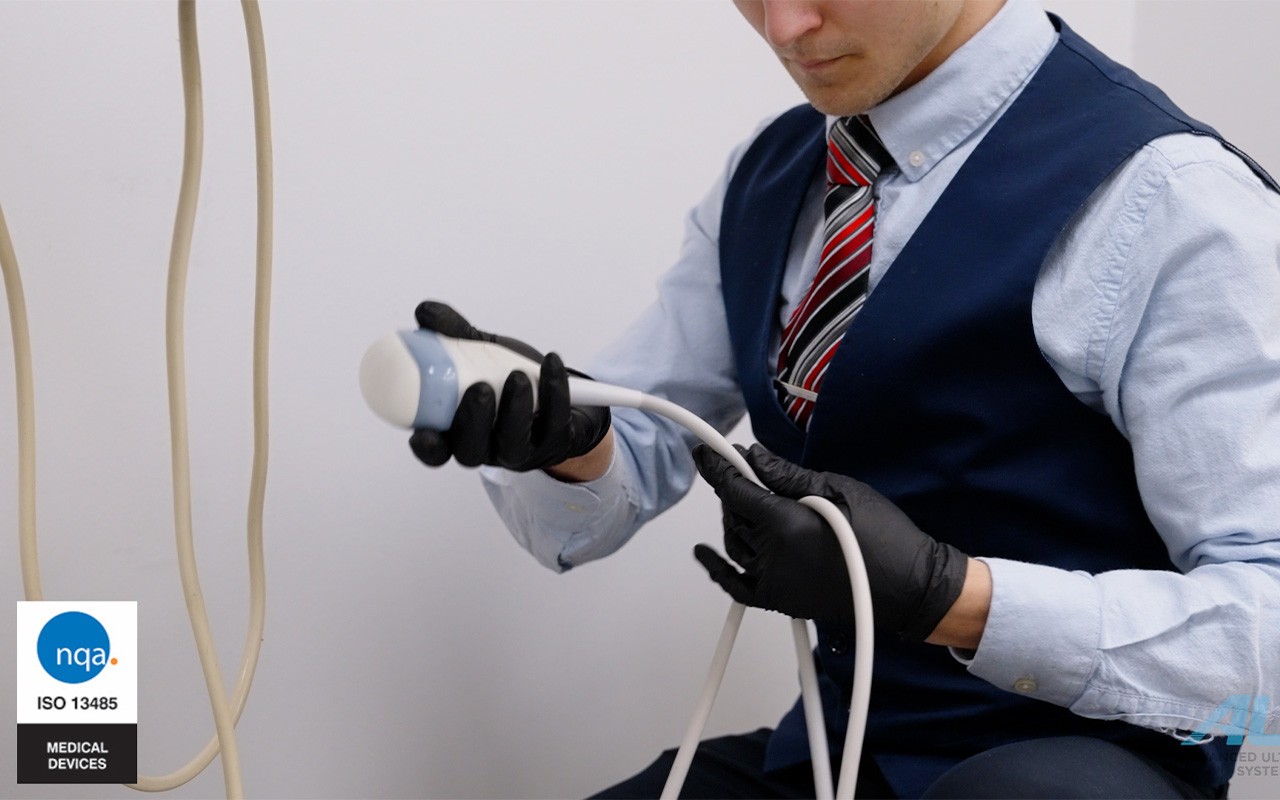
While some OEMs state preventative maintenance is not necessary, they give the users many tasks required to keep the system operating at peak performance. Despite this, there are many items that are not checked if a skilled ultrasound technician is not involved. Items such as a routine backup are not mentioned. Backups ensure that any changes made by the staff are saved and can be restored if a failure occurs. Electrical safety is talked about, but the user does not have the necessary equipment and in most cases the knowledge to perform such tests. During a preventative maintenance session, the card cage and computer are opened and thoroughly cleaned to prevent heat buildup from excessive dust. Power cords and system cabling are checked for damage. Correct operation of brakes and steering are tested during a PM. These items are all checked by a field service or clinical engineer during semi-annual or annual PMs.
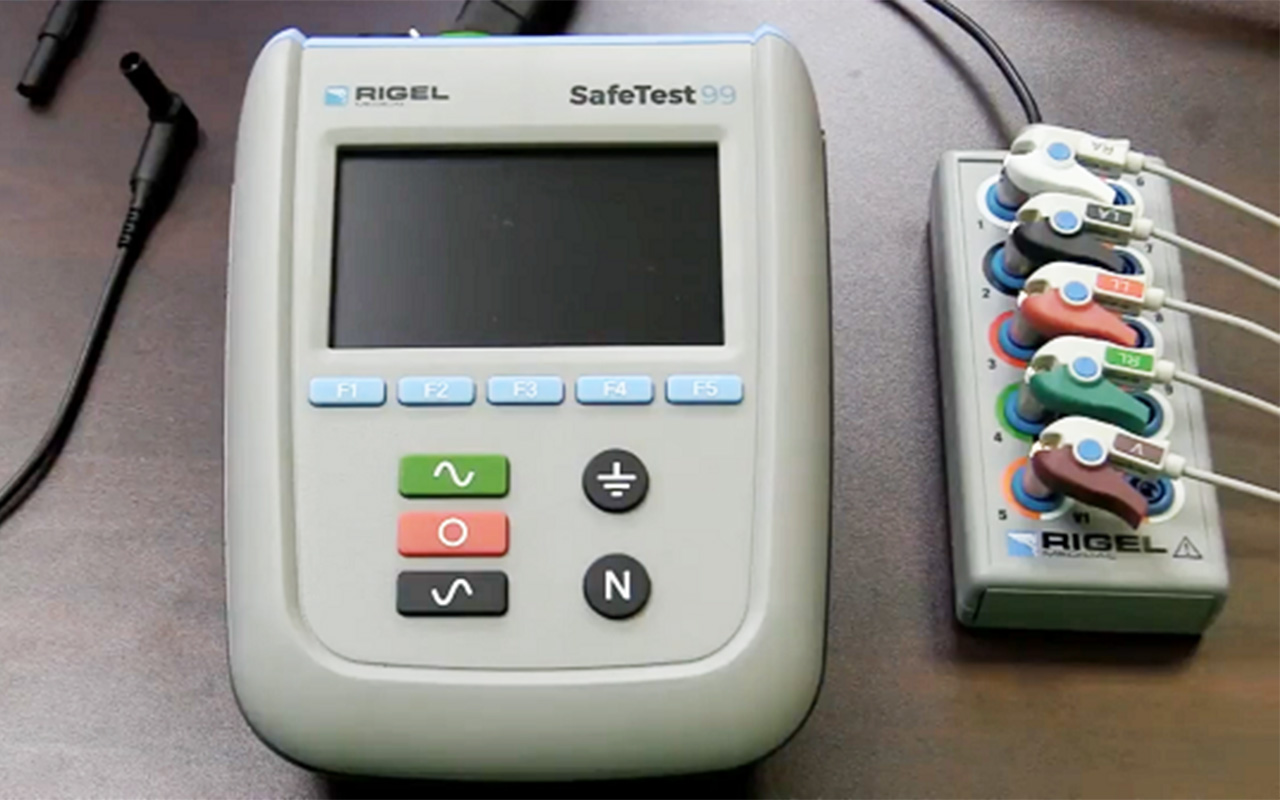
QC specifically tests the system and probes to manufacturer’s specifications. QC tests share many of the tests needed to complete a preventative maintenance or quality assurance inspection, but they only hold themselves to the manufacturer standards. As an example, electrical safety on probes is accomplished during a PM but must meet manufacturer standards during a QC.
QA testing states that it is in the best interests of every ultrasound user to routinely monitor equipment performance. The frequency of QA evaluations should be based on the user’s specific needs and clinical practice. For example, some OEMs state that “it is recommended that the user perform quality assurance tests at least every three months or every 400 patient studies.” OEMs also recommend tests after a service call, a software upgrade or dropping a probe. Recommended tests include lateral and axial measurement accuracy, lateral and axial resolution, functional and contrast resolution, penetration, gray scale photography and measurement accuracy. This is considered a user responsibility. While most users are very capable of performing these tests, hardly any have access to a required tissue mimicking phantom.
There are also additional accreditations that facilities may participate in. These accreditations include the American College of Radiology (ACR) accreditation, the Intersocietal Accreditation Commission (IAC), the American Association of Physicists in Medicine, among others. Each accreditation program will detail its requirements to remain compliant. These may require semi-annual or annual PMs as part of the accreditation program. Knowing which departments in your hospital are accredited will help you determine the need for PMs.
The ultimate goal of evaluating system performance as a service professional is to make it safe for the users, the patients and have it operate as designed. PMs improve the reliability and uptime of each ultrasound system, assures safety of users and patients and obtains objective evidence of proper system and transducer performance.

Without these programs in place, diagnostic efficacy is at risk. Some examples follow: A study done at a hospital group in the U.S. found over 20% of probes in use had clinically significant problems. A case study in Sweden found 250 of 704 probes (40%) were defective. Another case study in Sweden found a probe with over 10 dead elements which resulted in the missed diagnosis of a 12-year-old girl with ductus arteriosus. At facilities with no ultrasound QA program, greater than 20% of probes have a defect that is negatively affecting efficacy and/or safety.
When looking at this information, it is evident that having a PM program in place for each ultrasound system will reduce downtime while ensuring patient and user safety. It will also provide records that contain objective evidence of proper system and probe performance. This is a win for the hospital and patients.
Visit advancedultrasound.com for more information.
Jim Rickner is the director of service and training for Advanced Ultrasound Systems, an ISO 13485:2016 company.