
In an educational piece published by Dr. John Chuback, board-certified surgeon and founder of VitasupportMD, readers are reminded that one of the most accessible and powerful ways to support cardiovascular and circulatory health starts in the kitchen. His article, “How Diet Impacts Your Circulatory System,” provides timely, science-based insights into how everyday food choices can positively affect blood vessel function, heart health and overall vascular wellness.
“The circulatory system is the body’s transportation superhighway,” says Chuback. “And just like a well-maintained road system needs quality materials and proper upkeep, our veins, arteries, and heart need nutrient-rich fuel to function optimally.”
Chuback explains the critical role of the circulatory system – moving oxygen, nutrients, hormones, and waste throughout the body – and how the health of arteries, veins and capillaries is intricately tied to diet. While factors such as age, genetics, and activity level also play roles, Chuback emphasizes that nutrition is one of the few modifiable factors people can control daily.
Nutrients That Support Healthy Circulation
Drawing from decades of research and clinical observation, Chuback highlights key nutrients that contribute to healthy blood flow and vessel function:
- Omega-3 fatty acids (from fish, flaxseeds, walnuts) to support blood vessel flexibility and lipid balance
- Fiber (from whole grains, legumes, fruits, vegetables) to promote cholesterol health
- Antioxidants (from berries, green tea, leafy greens) to reduce oxidative stress
- Magnesium and potassium (from bananas, spinach, avocados) to help regulate blood pressure
- Natural nitrates (from beets, arugula, celery) to support blood vessel relaxation and nitric oxide production
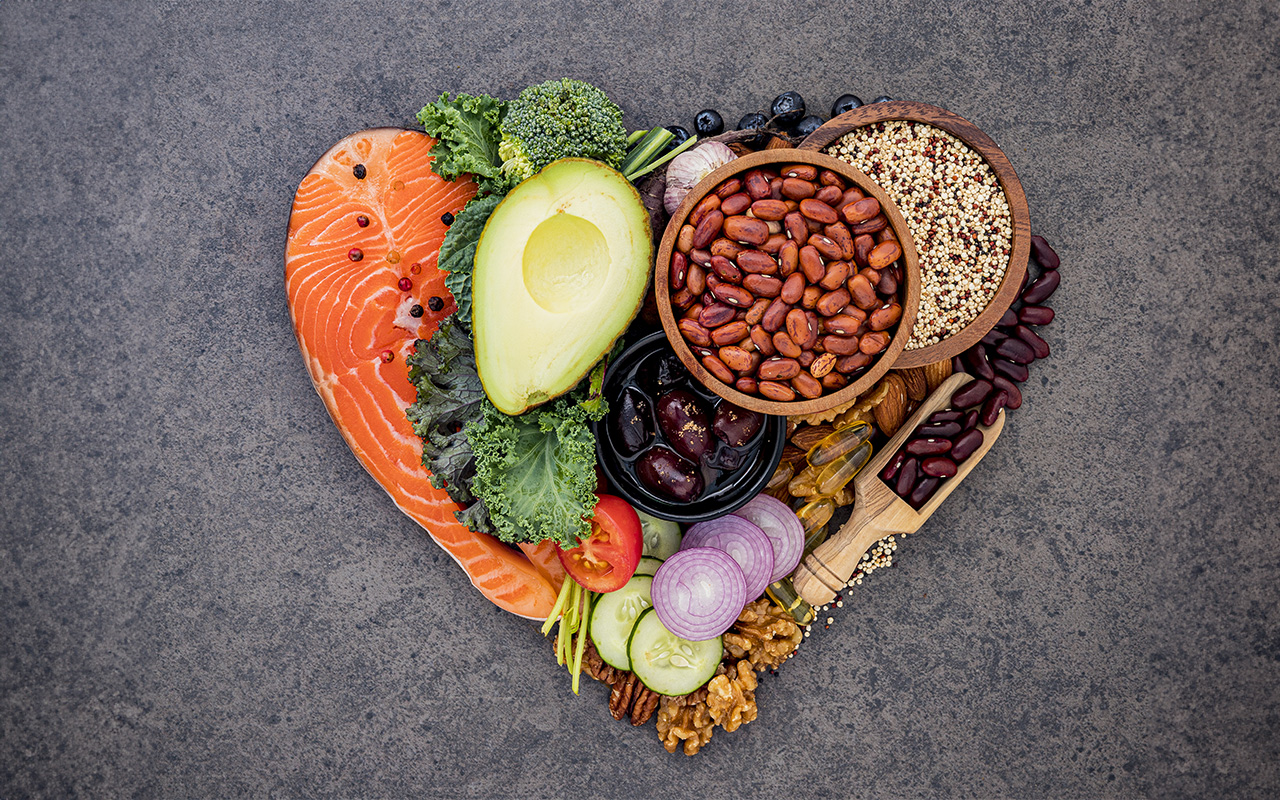
Instead of focusing on isolated supplements or “superfoods,” Chuback encourages incorporating a range of nutrient-dense whole foods such as:
- Leafy greens like kale and spinach
- Colorful berries rich in flavonoids
- Fatty fish including salmon and sardines
- Whole grains, legumes, nuts and seeds
- Citrus fruits, which support vessel structure with vitamin C
- Even moderate intake of dark chocolate with high cocoa content may provide beneficial flavanols for endothelial function – the inner lining of blood vessels.
Lifestyle Still Matters
While diet is foundational, Chuback reinforces that a holistic lifestyle approach – including regular movement, hydration, stress reduction, sleep, and avoiding tobacco – amplifies the benefits of circulatory-supportive nutrition.
“Diet doesn’t work in isolation,” Chuback notes. “But it’s an essential building block for those looking to support their vascular system and long-term wellness.”
Chuback concludes with actionable advice:
- Build balanced meals with vegetables, lean protein and whole grains
- Prep ingredients in advance to support consistency
- Flavor with herbs, spices and citrus to reduce salt
- Snack on nuts, fruit or veggies with hummus instead of processed alternatives
Dr. John Chuback is a board-certified cardiovascular surgeon and the founder of Chuback Vein Center. He is an accomplished author, speaker and educator dedicated to advancing the field of venous disease. He is also the founder and owner of VitasupportMD, a nutraceutical company specializing in dietary supplements that support healthy circulation.