
Sponsored by RSTI
 X-ray imaging has been a cornerstone of diagnostic medicine for decades, providing a non-invasive way to visualize internal structures. From detecting fractures and foreign objects to monitoring diseases like pneumonia and cancer, X-ray systems play a vital role in patient care. Compared to other imaging modalities, X-ray offers unique benefits that make it indispensable in health care:
- Computed Tomography (CT): Provides detailed cross-sectional images but requires more radiation and is more expensive, making it ideal for complex diagnostics.
- Magnetic Resonance Imaging (MRI): Offers superior soft tissue contrast but is less effective for bones and requires a longer, costlier process.
- Ultrasound: Radiation-free and widely used for soft tissue imaging but ineffective for bones or areas with significant gas interference.
X-ray’s versatility, cost-effectiveness, and speed make it a preferred choice for many diagnostic needs, particularly in emergency and outpatient settings.
THE ESSENTIAL ROLE OF X-RAY EQUIPMENT IN HEALTH CARE
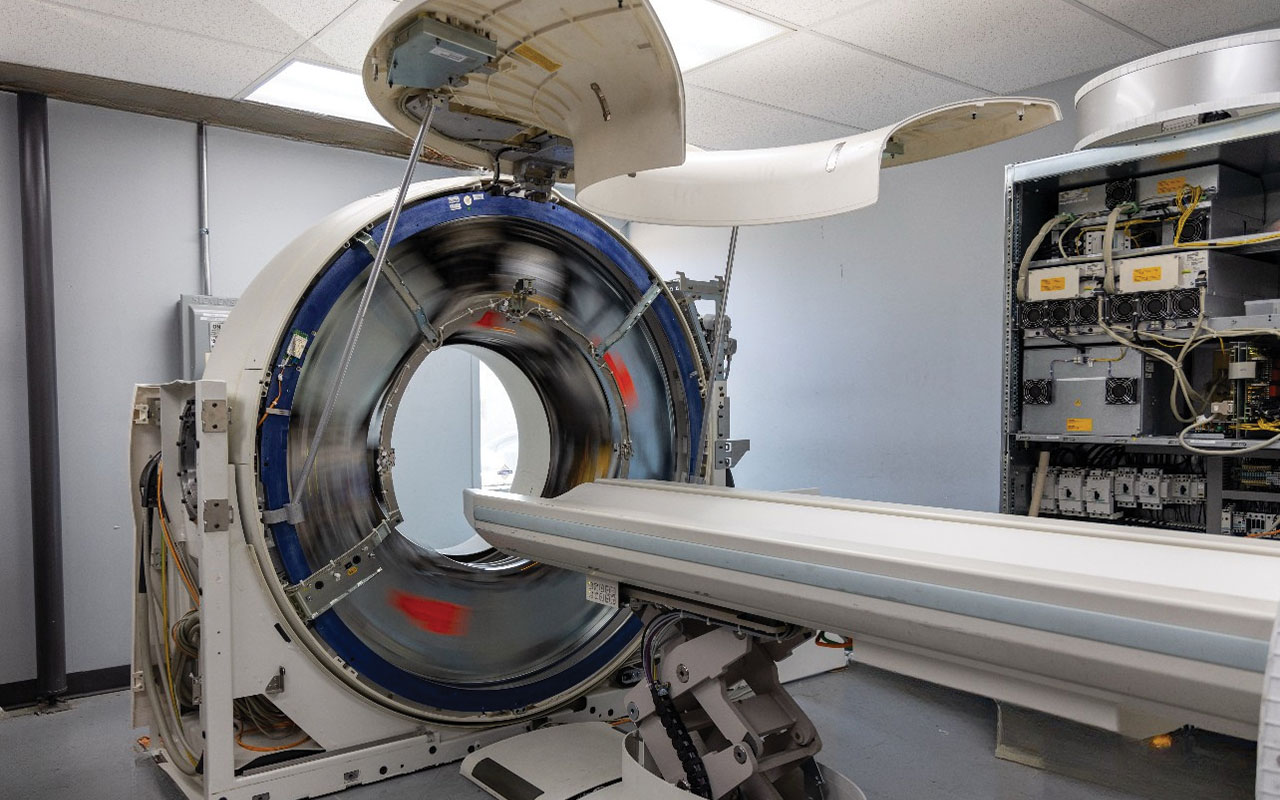
X-ray systems are found in hospitals, outpatient clinics, and imaging centers. Their key components include:
- X-ray tube: Generates X-rays by accelerating electrons into a target material.
- Generator: Regulates energy and timing.
- Detector: Captures images digitally or on film.
- Software systems: Enhances, stores, and integrates images into patient records.
Proper maintenance ensures reliable performance, making professional service training essential.
WHY SPECIALIZED TRAINING IS CRITICAL FOR X-RAY SYSTEMS
Maintaining and repairing X-ray systems requires technical expertise. Specialized training enables service professionals to:
- Diagnose and Repair Issues: Minimize downtime and ensure uninterrupted patient care.
- Perform Routine Maintenance: Extend equipment lifespan and maintain image quality.
- Ensure Regulatory Compliance: Meet radiation safety and operational standards.
RSTI’S X-RAY TRAINING PROGRAMS: 40 YEARS OF EXCELLENCE
For four decades, the Radiological Service Training Institute (RSTI) has trained thousands of professionals, ensuring the reliability of imaging systems worldwide. Our specialized programs offer both theoretical and hands-on training, equipping technicians with the skills needed for modern X-ray systems.
Key Offerings:
- Principles of Servicing Diagnostic X-Ray Systems (Phase 1): Covers X-ray operation, radiation safety, and troubleshooting.
- Advanced Digital Imaging System Maintenance: Focuses on servicing and calibrating digital X-ray systems.
- Custom Training Modules: Tailored courses for specific equipment models and emerging technologies.
Our programs emphasize real-world applications, ensuring trainees gain practical skills that translate directly to their work environments.
ADAPTING TO TECHNOLOGICAL ADVANCES
As diagnostic imaging evolves, RSTI continuously updates its curriculum to incorporate the latest advancements, including:
- Digital Radiography Integration: Seamlessly connecting X-ray systems with hospital networks.
- Utilizing AI-Driven Diagnostics: Enhancing troubleshooting and system performance.
- Remote Monitoring Solutions: Reducing service response times and improving efficiency.
CELEBRATING INDUSTRY LEADERSHIP
With 40 years of training excellence, RSTI remains dedicated to empowering service professionals with cutting-edge knowledge. In recognition of our contributions, RSTI received two 2025 TechNation Tech Choice Awards, “The Wrenchies,” highlighting our industry leadership in imaging service education.
Health care facilities investing in well-trained professionals benefit from improved equipment reliability, reduced downtime, and enhanced patient outcomes. RSTI’s commitment to education ensures that X-ray systems continue to be the backbone of diagnostic medicine.
CONCLUSION
As medical imaging advances, X-ray systems remain fundamental to healthcare. The demand for skilled technicians has never been greater. Through comprehensive training programs, RSTI continues to advance the capabilities of imaging professionals and support the health care industry’s commitment to excellence.
Learn more at rsti-training.com.