

By Nicole Dhanraj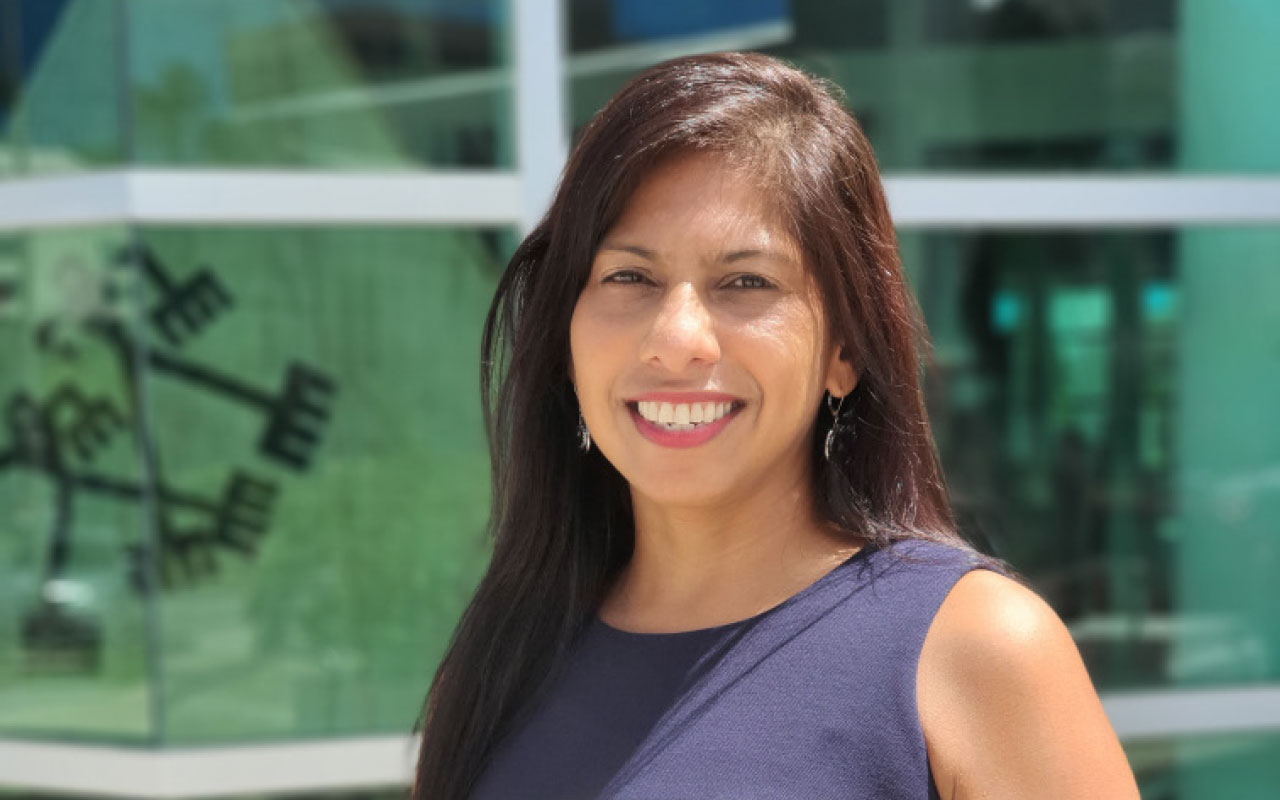
Most radiology departments have a solid orientation process. New hires get their ID badge, system logins, compliance training and an overview of workflows. By the end of the first week or two, they’re usually on the schedule.
But that’s where support often starts to fade.
For many new team members, the second week feels like they’re suddenly expected to function like everyone else, without the experience, confidence or connections to truly succeed. When onboarding ends too early, the risks are familiar: low engagement, missed expectations and, eventually, another vacancy to fill.
Orientation and Onboarding Serve Different Purposes
It’s worth making the distinction clear: orientation is administrative; onboarding is strategic.
Orientation introduces a person to the organization. Onboarding helps them find their place in it.
While orientation usually wraps up in a few days, onboarding should extend across several months. It’s a longer process focused on building capability, confidence, and a sense of belonging, all of which directly influence whether someone stays, performs well, and integrates into the team.
What Continuous Onboarding Looks Like in Practice
Sustained onboarding doesn’t mean adding more to your plate.
It means weaving a few consistent habits into how you support new staff. Here are five approaches that make a difference:
1. Weekly Check-Ins (Short, Consistent, Focused)
A 10- to 15-minute check-in each week for the first 90 days can reveal issues before they grow. These aren’t performance reviews, they’re touchpoints.
A few questions to guide the conversation:
- What’s going well?
- What’s unclear?
- Are you getting what you need?
- Anything slowing you down?
Even when things seem to be going smoothly, the check-in reinforces that the department is invested in their success.
2. Real-Time Feedback and Recognition
When someone is learning a new system, workflow, or protocol, early feedback matters. Don’t wait for a formal review. A quick, specific comment in the moment, whether it’s a correction or a thank-you helps reinforce expectations and accelerates growth.
This kind of feedback doesn’t have to be scheduled. It just needs to be part of daily interaction.
3. A Clear 90-Day Roadmap
New hires shouldn’t have to guess what success looks like. A simple, structured plan covering the first 30, 60 and 90 days helps everyone stay aligned.
Include clinical milestones (e.g., independent in surgery, or in fluoro), workflow goals (e.g., knows downtime procedures), and team integration (e.g., meets all leads across shifts, attends two team meetings). Share this roadmap on day one and refer to it during check-ins.
4. Leader Touchpoints That Build Connection
A brief introduction or follow-up conversation with a senior leader, like a director or vice president can go a long way. These don’t need to be formal meetings. A quick welcome or check-in shows that leadership is visible, available and invested.
It signals that the employee matters beyond their immediate tasks.
5. Ongoing Access to Tools and Support
It’s easy to assume that system access, workflows or documentation are in place – but new staff often hesitate to ask twice. Build time into onboarding to confirm they have what they need: equipment, protocols, passwords, escalation paths.
It’s not just about being set up. It’s about being able to move forward without unnecessary friction.
Onboarding Is Not a Task – It’s a Leadership Practice
A thoughtful onboarding experience improves retention, shortens the time to full productivity and helps new employees feel connected from the start. When done well, onboarding becomes part of the department culture not a separate project, but a natural part of how new staff are welcomed and supported.
If onboarding in your department stops after the first week, it may be time to reframe it as an ongoing responsibility. The investment is small, but the return; engaged, capable team members who choose to stay is significant.
If you’re ready to take the next step, keep an eye out for the follow-up guide. It breaks onboarding down into a simple 90-day structure with practical steps you and your leads can apply right away without adding hours to your week. It’s designed to help you build a more consistent, supportive experience for new team members from day one through full independence.
If this resonated with you and you’d like to talk more about building a stronger, long-term onboarding approach in your department, feel free to reach out: nicoledhanraj@gmail.com. Always happy to connect and share ideas.
Nicole Dhanraj, Ph.D., SHRM-SCP, PMP, GPHR, CPSS, CRA, R.T(R)(CT)(MR), is an experienced imaging director.